
Werther's Artistic Self-Image
The Sorrows of Young WertherThis flow traces Werther's faith in direct natural expression and the growing distance between artistic aspiration and his ability to create.
increasing Bearing strength in each event
 decreasing
Bearing strength in each eventdecreasingNature Without Rules
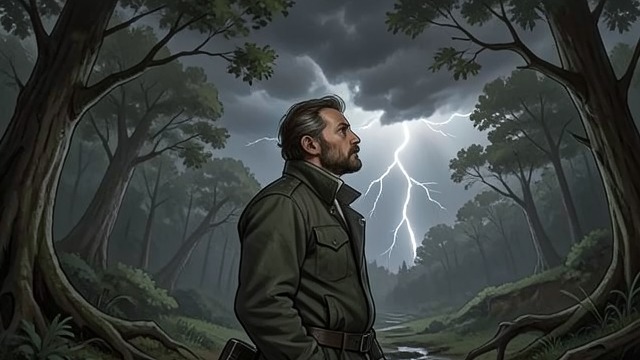
The Artist's Principle
Nature as teacher
Werther argues that nature alone is inexhaustible and that genuine art begins by seeing what is actually present. He distrusts rules that, in his view, cut away the force of instinct.
Passion as method
He compares artistic convention to advice that would restrain love within respectable limits. His argument makes emotional intensity the measure of artistic truth.
Poetry in Ordinary Life
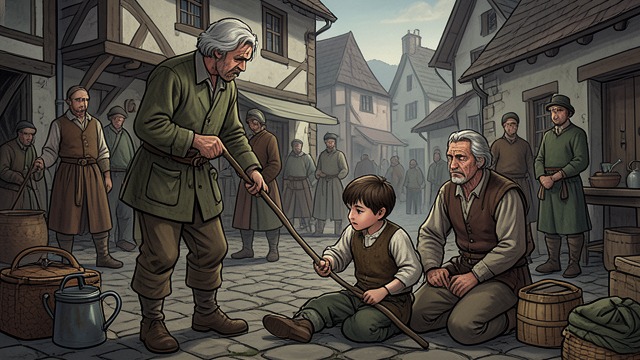
The Unwritten Idyl
A village scene
Werther claims that the account of a peasant lad could make a beautiful idyl, but questions whether ordinary experience needs to be turned into art. The story already carries its own force.
Art and attention
His hesitation shows a conflict between the desire to represent feeling and the fear that artistic display may falsify it. The problem will recur as his own life becomes inseparable from his narration.
The Failed Portrait
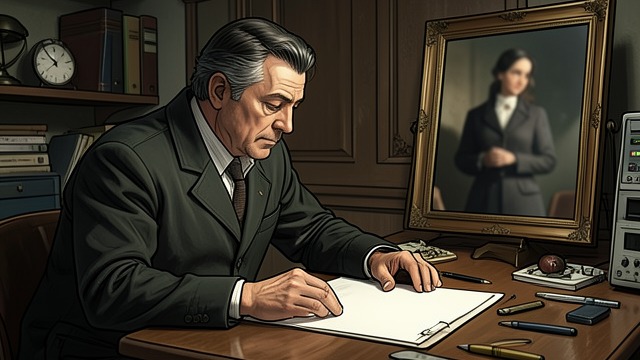
A Blocked Hand
Drawing falters
Werther says he feels nature more deeply than before but cannot give clear form to what he sees. Images seem to swim before him, and he wonders whether modelling might suit him better.
Lotte resists representation
He has attempted Lotte's portrait several times and failed. Emotional intensity that once promised artistic insight now impedes the distance and control required to make an image.
Work at the Prince's Lodge
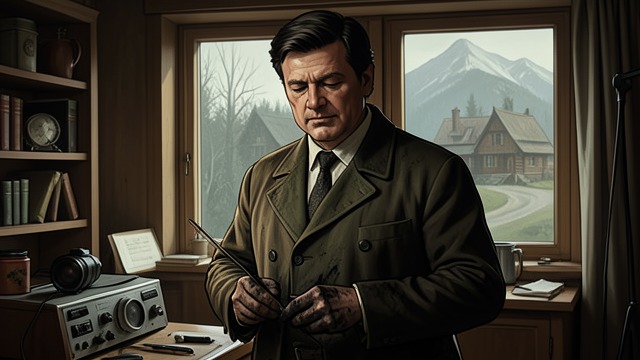
Technique and Frustration
Art under instruction
Werther says his drawings have improved at the prince's hunting lodge. Yet he resents the prince's technical suggestions, believing that formal instruction can fetter imagination.
Independence defended
His resistance preserves a sense of artistic autonomy, but it also repeats his broader difficulty accepting structures that might discipline his abilities. Freedom becomes both an artistic principle and an obstacle to steady work.
The Manuscript's Last Use
Art as Emotional Medium
Ossian translated
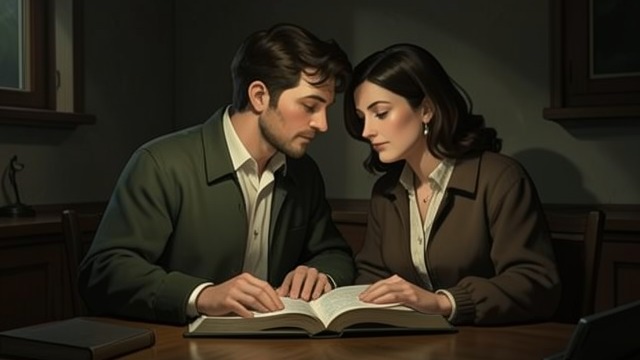
Werther reads his translation of Ossian to Lotte, bringing his own artistic work into their final encounter. The poems' grief and lost love give language to feelings he can no longer contain.
Art fails to contain passion
The reading intensifies their shared emotion rather than creating safety or distance. Literature becomes the route by which Werther approaches Lotte and then breaks the boundary she has asked him to respect.
May 26, after Werther sketches the children
May 30, after the Walheim encounter
July 24, after Lotte's attachment dominates his days
June, during Werther's stay with the prince
Christmas Eve, during the final visit
